Game guide · JIUDINGST
Classic Sudoku: what to know before playing
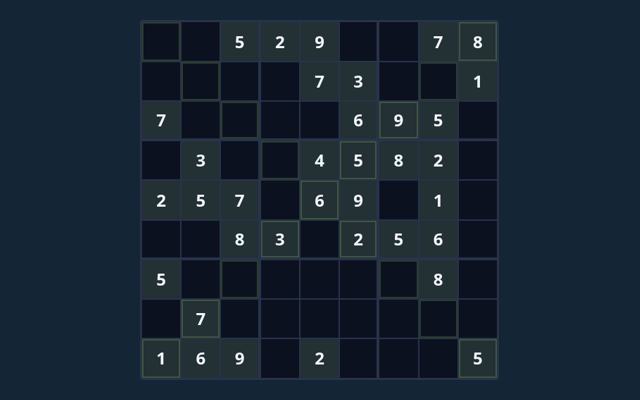
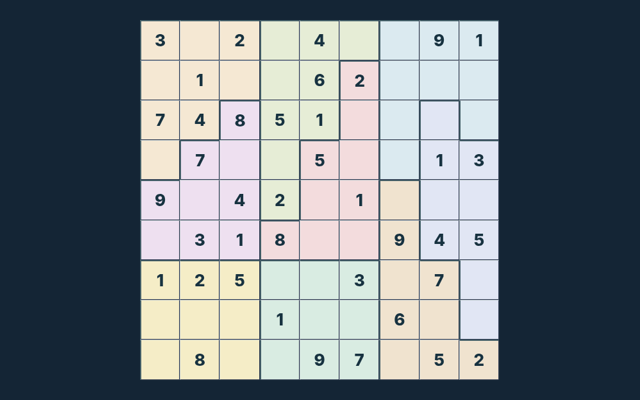
Read the aim of Classic Sudoku, then make your first move. Fill all cells with 1–9; do not repeat a symbol in any row, column or region. Choose a clear next step rather than rushing through the instructions. Check the rule that explains your first action. Use the example below to understand a decision.
Practice beyond the first move
Watch the feedback after an action. A message can explain whether the input was accepted or whether a rule needs attention. Keep the objective visible.
What you need to achieve
Fill all cells with 1–9; do not repeat a symbol in any row, column or region. An attractive position is not enough unless the goal is met. The example below illustrates a decision.
The playing sequence
- Select an empty cell. The original clues cannot be edited.
- Choose a symbol from the number pad, or type it on a keyboard.
- Turn Notes on to record candidate symbols without committing an answer.
- Use Check entries to check your filled values. Hint reveals one value from the verified solution.
- Complete the board, or choose New puzzle for another board.
Using the playing area
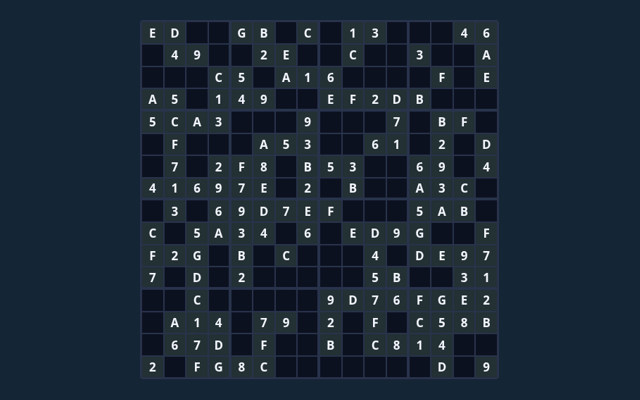
Tap or click a cell and use the number pad. Keyboard: arrows select cells; digits (and A–G on 16×16) enter values; Backspace erases. On a smaller screen, keep the active part of the board within view. Check any mode label before starting.
Follow the example
On one puzzle in this collection, row 1, column 1 has 8 in its solution. Read the clues on your current board before using that value; another puzzle can need a different entry. Compare this with the rule that governs the move. Take a moment to compare.
An important reminder
Notes are reminders, not final entries. A full board only counts as complete when it satisfies every rule. A different version of the game may use a different rule. Read one step at a time and try it on the playing area. Match the instruction to the control you use.
Helpful answers for players
For my first round, what is the goal of Classic Sudoku?
Keep this in mind: Fill all cells with 1–9; do not repeat a symbol in any row, column or region.
For this browser game, how do I control Classic Sudoku?
Here is the relevant explanation: Tap or click a cell and use the number pad. Keyboard: arrows select cells; digits (and A–G on 16×16) enter values; Backspace erases.
When I return, what example helps explain Classic Sudoku?
On one puzzle in this collection, row 1, column 3 has 9 in its solution. Read the clues on your current board before using that value; another puzzle can need a different entry.
Before I begin, what should I watch out for in Classic Sudoku?
For clarity: Notes are reminders, not final entries. A full board only counts as complete when it satisfies every rule.
For this browser game, what format does Classic Sudoku offer?
For clarity: Play using the solo mode shown on this page. Read the controls before starting a new round.
For this browser game, which play mode does Classic Sudoku use?
Keep this in mind: The mode on this page is Solo. Same-device play uses one screen; this game library does not provide internet matchmaking.
For a quick reminder, where should I start with Classic Sudoku?
Keep this in mind: Select an empty cell. The original clues cannot be edited.
For a quick reminder, do I need an account or a payment for Classic Sudoku?
Keep this in mind: No player account or payment is needed. Game scores are recreational results, not cash prizes.
How can I find Classic Sudoku again?
The key detail is this: Use the Games list or save this game page in your browser bookmarks. The Guide is linked from the playing page.
When I return, how do I report an issue with Classic Sudoku?
Here is the relevant explanation: Use the contact form and include the game name, browser, device and the actions that led to the issue. Do not send passwords or payment details.